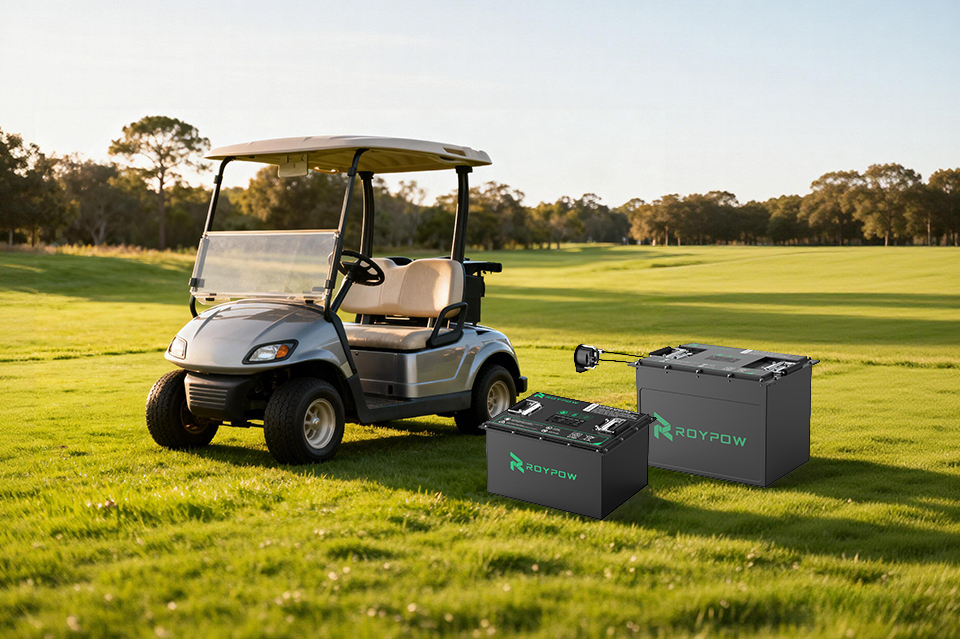
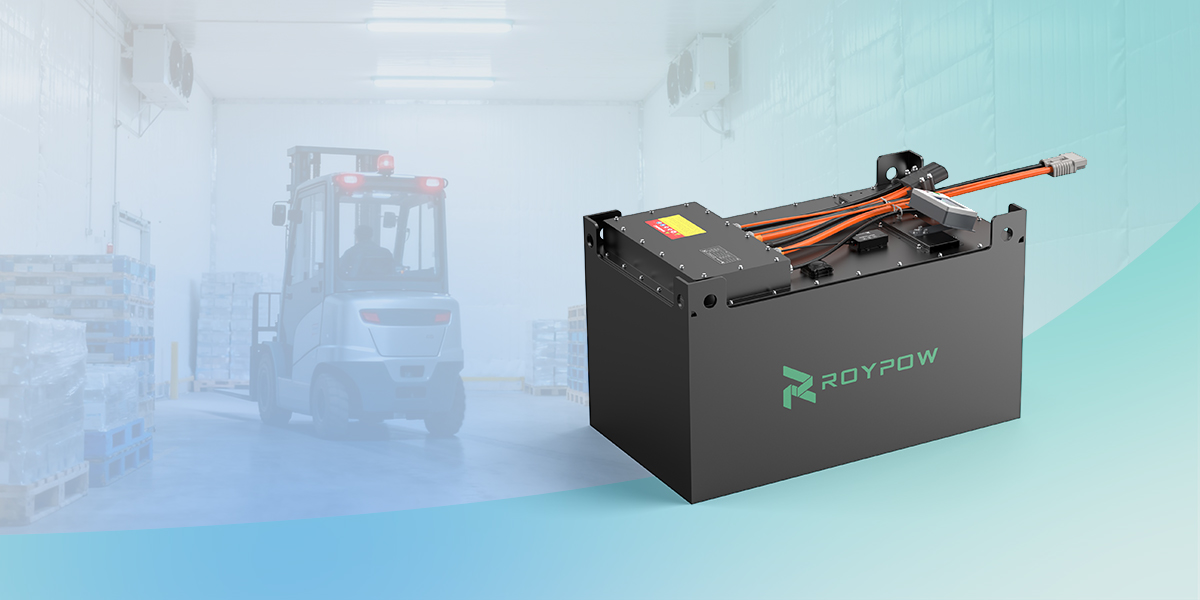
When a Linde E25 in a European cold chain warehouse goes down mid-shift because its lead-acid battery can no longer hold a reliable charge below 5°C, the consequences ripple through an entire distribution network. That scenario — one playing out with increasing frequency as fleet managers push aging batteries through demanding multi-shift operations — captures why Linde forklift batteries have become one of the most discussed topics in material handling procurement today. This guide offers a complete framework for distributors, dealers, and fleet operators evaluating the transition from lead-acid to lithium across the full Linde electric forklift lineup.
Inside Linde’s Electric Forklift Fleet and Battery Ecosystem
Linde Material Handling, a KION Group AG company, is one of the world’s largest manufacturers of forklift trucks and warehouse equipment. KION Group is the world’s second-largest manufacturer of forklifts measured by revenues, after Toyota Industries. With more than 42,000 employees, KION generated revenue of approximately €11.3 billion in the 2025 financial year. At the end of 2025, more than 2.0 million forklift trucks and warehouse equipment were in use by customers across six continents. For aftermarket battery suppliers, this installed base represents an enormous and continuously growing opportunity — every one of those trucks will need battery replacement at some point in its operational life.
The Linde Material Handling and STILL brands serve the premium and higher value segments of the industrial truck market. In over 120 years of company history, Linde Material Handling has become one of the world’s largest manufacturers of forklifts and warehouse equipment. Linde’s dominance is strongest in Europe, where the DIN battery standard prevails, and the brand holds a commanding share in Germany, France (via the Fenwick brand), the UK, the Netherlands, and Scandinavia. In North America, Linde operates through KION North America, while the Asia-Pacific presence spans Japan, Korea, Australia, and India through regional subsidiaries.
Linde’s electric forklift product lines cover virtually every warehouse application. A portfolio of more than 40 basic models in the common load capacity classes from 1.2 to 5 tonnes offers tailor-made forklifts for all requirements, and the trucks can also be configured to suit any application. The key electric counterbalance series include the E14–E20 (compact 48V platform), the E20–E35 (80V platform), and the E35–E50 (80V high-performance platform). The new Linde 1251 series replaces the long-standing 386 series with 26 variants of three- and four-wheel forklifts with lifting capacities of 1.0 to 2.0 tonnes. Warehouse equipment spans the R-series reach trucks (48V), T/P-series pallet trucks (24V), and V-series order pickers (24V/36V). These voltage platforms — 24V, 36V, 48V, and 80V — define the Linde forklift battery landscape that aftermarket suppliers must navigate.
The battery compartment ecosystem is predominantly DIN standard in European markets and BCI standard in North America. Thanks to a standardized design, customers have a free choice of lead-acid, lithium-ion battery, or fuel cell energy-storage systems. Connectors typically follow the Rema DIN standard in Europe and SB/SBX types in the Americas. Linde forklift batteries power operations across food and beverage, automotive manufacturing, third-party logistics, e-commerce fulfillment, pharmaceutical distribution, and cold chain storage — each environment imposing distinct demands on battery capacity, charging frequency, and operating temperature tolerance.
Real-World Battery Challenges Linde Forklift Operators Face
Operators running Linde forklifts on lead-acid batteries face a predictable set of challenges that escalate with operational intensity. Understanding these pain points is essential for anyone evaluating Linde forklift batteries — whether you are a fleet manager, a dealer advising end users, or a distributor building a lithium conversion program.
The maintenance burden is the most underestimated cost center. Lead-acid batteries require watering every five to ten charge cycles, equalization charging that imposes eight to sixteen hours of downtime every one to four weeks, and regular terminal cleaning to prevent acid corrosion. Industry estimates suggest 30 to 50 hours of maintenance labor per battery per year — time that could be spent on productive operations. For a fleet of 20 Linde trucks, that translates to 600 to 1,000 hours annually of battery-related labor alone. Factor in acid spill cleanup, specialized ventilation for hydrogen gas, and periodic specific gravity testing, and the hidden costs of lead-acid Linde forklift batteries become substantial.
Multi-shift capacity bottlenecks present the most operationally disruptive challenge. The conventional 8-8-8 rule — eight hours of charge, eight hours of cool-down, and eight hours of operation — means each lead-acid battery is unavailable for 16 hours per cycle. Two- and three-shift Linde operations therefore require two to three battery packs per truck, battery swap infrastructure (hoists or roller beds for batteries weighing 500 to 2,500 kg), additional chargers, and dedicated battery room space. Each swap takes 10 to 30 minutes, creating productivity gaps throughout every shift change.
Extreme environments compound these difficulties. In cold storage facilities operating between -10°C and -30°C, lead-acid batteries suffer 20% to 40% capacity loss. High-temperature environments accelerate internal degradation. Dusty or humid conditions increase the risk of corrosion and electrical short circuits across battery terminals.
Lifecycle cost unpredictability further complicates fleet budgeting. Lead-acid batteries lose approximately 3% to 5% of capacity per year, and many fleet managers face a repair-versus-replace dilemma by years three to four. Unplanned battery failure during peak operations can cause downstream delays worth far more than the battery itself.
That said, lead-acid remains a viable and economical option for single-shift, low-intensity Linde operations where the upfront cost advantage outweighs the long-term operational disadvantages.
Lead-Acid vs Lithium: Performance in Linde Forklift Scenarios
A fact-based comparison of lead-acid versus lithium battery technology is the foundation for any Linde forklift battery upgrade decision. The performance gap between these chemistries is significant across seven core dimensions, and understanding each one helps procurement teams build an informed business case.
Energy density represents the most fundamental difference. Lead-acid batteries deliver approximately 30 to 50 Wh/kg, while lithium iron phosphate (LiFePO4) batteries — the dominant chemistry in forklift applications — achieve 100 to 160 Wh/kg. In practice, this means a lithium Linde forklift battery can store the same energy in a smaller, lighter package. However, since forklifts rely on battery weight as rear counterweight, lithium packs typically include integrated steel ballast to maintain stability.
Cycle life is where the economics diverge most dramatically. Lead-acid batteries typically deliver 1,000 to 1,500 cycles at 80% depth of discharge (DOD), translating to roughly three to five years in a single-shift operation. Advanced LiFePO4 forklift batteries deliver 3,500 cycles or more at 80% DOD, with a design life of approximately ten years — effectively covering two to three lead-acid replacement cycles.
Charging efficiency and operational continuity define the multi-shift advantage. Lead-acid batteries charge at 80% to 85% round-trip efficiency, while lithium achieves 95% to 98%. More importantly, lithium supports opportunity charging — brief top-ups during breaks and shift changes — and completes a full charge in one to two hours without requiring a cool-down period. One lithium pack can replace two to three lead-acid packs in multi-shift Linde operations, eliminating battery swaps entirely.
Linde Forklift Batteries: Lead-Acid vs Lithium Comparison
| Performance Dimension | Lead-Acid | Lithium (LiFePO4) |
|---|---|---|
| Energy Density | 30–50 Wh/kg | 100–160 Wh/kg |
| Cycle Life (80% DOD) | 1,000–1,500 cycles | 3,500+ cycles |
| Charging Time | 8 hrs + 8 hrs cool-down | 1–2 hrs, no cool-down |
| Charge Efficiency | 80–85% | 95–98% |
| Maintenance | Watering, equalization, terminal cleaning | Zero maintenance (BMS-managed) |
| Operating Temperature | Optimal 25°C; loses 20–40% below 0°C | -20°C to 55°C with thermal management |
| Environmental Impact | Lead + sulfuric acid; hydrogen gas emissions | No hazardous substances; zero workplace emissions |
| Typical Lifespan | 3–5 years | 8–10+ years |
Maintenance requirements illustrate a stark contrast. Lead-acid demands regular watering, equalization charges, terminal cleaning, specific gravity testing, and dedicated ventilated battery rooms. Lithium batteries require zero scheduled maintenance — the battery management system (BMS) handles cell balancing, thermal monitoring, and protection automatically.
Safety profiles differ in nature rather than magnitude. Lead-acid risks include hydrogen gas explosion during charging, sulfuric acid spillage and burns, and chronic lead toxicity exposure. Lithium risks center on thermal runaway under extreme abuse conditions, managed through multi-layer safety architecture: cell-level safety valves, module-level thermal isolation, and pack-level BMS monitoring with active cooling options.
The summary conclusion is clear: lithium has an overwhelming lifecycle advantage in multi-shift, high-utilization, and cold storage Linde forklift scenarios. Lead-acid retains its place for single-shift, low-frequency operations where the lower upfront cost is the overriding consideration.
Linde Factory-Original Batteries vs Aftermarket Alternatives
Understanding the distinction between OEM (factory-original) and aftermarket Linde forklift batteries is critical for making a sound procurement decision. OEM batteries are those provided directly by the forklift manufacturer — in this case, Linde or the KION Group — and may be self-manufactured or sourced from a designated supplier and branded accordingly. Aftermarket batteries are manufactured by independent third-party companies that produce compatible replacement products designed to fit the same forklift models. The aftermarket model is a well-established, mature, and respected business practice across automotive and industrial sectors — analogous to third-party brake pads or engine filters for vehicles.
The OEM path offers guaranteed compatibility, warranty simplicity, and single-vendor convenience. However, OEM lithium forklift batteries typically carry a 30% to 60% price premium over comparable aftermarket alternatives. A 48V OEM lithium battery for a Linde E25 may range from $15,000 to $25,000, while an equivalent aftermarket option with similar capacity and certification could fall between $8,000 and $16,000. OEM lithium programs also tend to offer limited product variations — often just one or two capacity options per model — and may not cover all forklift models or markets with lithium solutions yet. For operators running mixed-brand fleets, OEM procurement means managing multiple vendor relationships.
Aftermarket Linde forklift batteries offer 30% to 50% cost savings, broader product diversity (standard, air-cooled, liquid-cooled, anti-freeze, and explosion-proof variants), and fleet-wide compatibility from a single supplier covering Toyota, Hyster, Yale, Crown, Jungheinrich, and other brands alongside Linde. Quality aftermarket manufacturers invest heavily in certifications (UL, CE, UN38.3), maintain global service networks, and offer customization options including special ballast configurations, pre-installed connectors, and BMS communication protocols tailored to specific forklift models.
The decision framework hinges on several factors: fleet size (small fleets may prefer OEM simplicity; large fleets benefit from aftermarket cost savings), brand diversity (mixed fleets gain enormous advantage from a single aftermarket source), budget sensitivity, special feature requirements (cold storage, hazardous environments), and regional service coverage. Warranty implications are frequently overstated — replacing a Linde forklift’s battery with a certified aftermarket alternative typically does not void the forklift warranty, though it is always advisable to confirm this with your Linde dealer.
Choosing the Right Lithium Battery for Your Linde Forklift
Selecting the correct lithium battery for a Linde forklift demands attention to eight critical parameters. Getting each one right ensures a seamless drop-in replacement with no operational compromises. This section provides the highest practical value in this guide — after reading, you should be able to compile a complete battery specification sheet for supplier communication.
Voltage platform is non-negotiable. The lithium battery must match the Linde forklift’s original voltage exactly: 24V for T-series pallet trucks, 36V for select warehouse models, 48V for the E14–E20 and 386 series counterbalance trucks, and 80V for the E20–E35 and E35–E50 series. Voltage mismatch can damage the forklift’s electrical system.
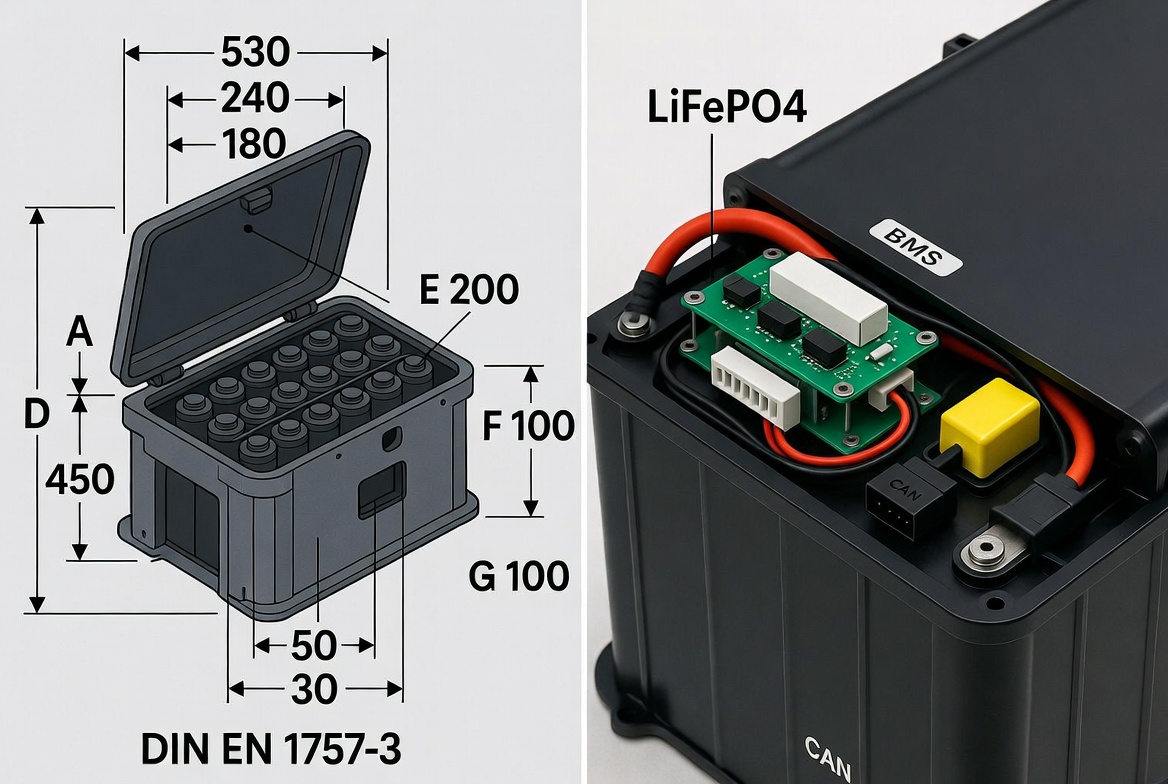
Physical size and battery compartment standard require careful measurement. Linde forklifts sold in Europe predominantly use DIN-standard battery compartments, while North American models may use BCI-standard trays. The same forklift model designation can have different compartment dimensions depending on regional specification. Always measure the actual compartment length, width, and height rather than relying solely on catalog specifications.
Capacity calculation should account for working hours per shift, average energy consumption rate, and a safety factor of 1.1 to 1.2. Lithium batteries offer 80% to 100% usable depth of discharge versus a maximum of 80% for lead-acid, meaning a nominally smaller lithium Ah rating can deliver equivalent or superior runtime.
Discharge connector type must match exactly — SB50, SB120, SB175, SB350, SBX, Rema DIN, or Anderson connectors. Manufacturers like ROYPOW pre-install the specified connector type before shipment, eliminating on-site modification.
Ballast weight is a forklift-specific consideration. Lithium batteries weigh one-third to one-half of equivalent lead-acid packs. Since forklifts use battery mass as rear counterweight for stability, the lithium pack must include integrated steel ballast to approach the original lead-acid weight. ROYPOW batteries, for example, offer customizable ballast solutions engineered for specific forklift models.
BMS communication via CAN bus protocol enables the forklift dashboard to display state of charge (SOC), temperature, and fault codes in real time. Not all Linde models require CAN bus integration — many operate effectively with the battery’s own built-in display panel. ROYPOW offers both CAN bus communication and a built-in LCD display for maximum flexibility.
Charger compatibility is essential: lead-acid chargers cannot safely charge lithium batteries. A matched lithium forklift charger must be specified with the correct output voltage, charging power (kW), and protocol.
Special environment requirements round out the specification. Cold storage needs heated anti-freeze batteries rated for -20°C or colder. Hazardous areas need ATEX/IECEx-certified explosion-proof batteries. High-temperature or heavy-use environments may benefit from liquid cooling.
Linde Forklift Battery Specification Checklist
| Parameter | What to Verify | Linde Examples |
|---|---|---|
| Voltage | Must match forklift exactly | 24V, 36V, 48V, 80V |
| Compartment Standard | DIN (Europe) / BCI (North America) | Measure actual L × W × H |
| Capacity (kWh) | Shift hours × consumption × 1.1–1.2 safety factor | Varies by model and usage |
| Connector | Match existing type or specify | Rema DIN, SB175, SB350 |
| Ballast Weight | Must approach original lead-acid weight | Integrated steel ballast |
| BMS Communication | CAN bus or standalone display | Model-dependent |
| Charger | Lithium-specific, matched voltage/power | Replace lead-acid charger |
| Special Features | Anti-freeze, explosion-proof, liquid cooling | Application-dependent |
Top Lithium Battery Suppliers for Linde Forklifts Compared
The lithium forklift battery market has matured rapidly, with dozens of active suppliers competing globally. For Linde forklift battery buyers — whether distributors, dealers, or end-user enterprises — the supplier landscape is evolving from fragmented to consolidated, with differentiation increasingly driven by product line breadth, certification portfolios, global service network density, and manufacturing scale.
ROYPOW
Founded in 2016 and headquartered in Huizhou, China, ROYPOW has emerged as a global leader in the aftermarket lithium forklift battery segment, with revenue exceeding $140 million in 2025. The company operates IATF16949-certified manufacturing facilities with fully automated production lines, 200+ precision test equipment units, and a CNAS-certified laboratory. ROYPOW’s product range is among the broadest in the industry, spanning 24V to 350V in both BCI and DIN standards, with product types including Standard, UL Certified, DIN Standard, Air-Cooled, Liquid-Cooled, Anti-Freeze (-20°C to 55°C), and Explosion-Proof variants. Core specifications include 3,500+ cycle life, 10-year design life, 5-year warranty, IP65 ingress protection, 1–2 hour fast charging, and an intelligent BMS featuring CAN bus integration, real-time monitoring, remote diagnostics via 4G mobile app, and OTA firmware updates.
What distinguishes ROYPOW most visibly is its global service network — a critical differentiator for Linde fleet operators who need local support. The company maintains 13+ offices worldwide: five in the United States (Commerce CA headquarters, Richardson TX, Indianapolis IN, Altamonte Springs FL, Kennesaw GA), three in Europe (Rotterdam NL as EU headquarters, Surbiton UK, Darmstadt Germany), plus offices in Chiba Japan, Gyeonggi-do Korea, Batam Indonesia (factory), Erbil Iraq, Johannesburg South Africa, and Sydney Australia. This footprint aligns directly with Linde’s primary markets. Certifications include UL, CE, UN38.3, RoHS, CCS, ISO, and IEC standards. ROYPOW’s verified compatibility list includes Linde models alongside all other major forklift brands, with specific battery models such as the F90690E and F80690AM for the Linde E50, F48560CZ for the 386 E14, F48560DU for the R14 reach truck, F80608H for the E25, and F24280D for the T20 pallet truck. The company also manufactures compatible forklift chargers designed to work with both ROYPOW and non-ROYPOW lithium batteries. US hotline: +1 877 266 1118.
EnerSys (NexSys iON)
EnerSys, headquartered in Reading, Pennsylvania, is a global leader in stored energy solutions with decades of industrial battery experience. Their NexSys iON lithium line targets premium forklift applications with thin-plate pure lead and lithium-ion options. EnerSys offers strong North American and European service networks through established dealer channels. Their strength lies in legacy fleet relationships and broad lead-acid-to-lithium transition expertise, though pricing sits at the upper end of the market.
OneCharge
Based in Irvine, California, OneCharge specializes exclusively in lithium-ion forklift batteries for the North American market. Their product range covers Class I, II, and III forklifts with a focus on rapid deployment and compatibility across major forklift brands. OneCharge emphasizes UL 2580 listing and direct sales support. Their regional focus is a strength in North America but limits global availability for Linde fleets in Europe and Asia-Pacific.
Green Cubes Technology
Headquartered in the United States with European operations, Green Cubes Technology (formerly Greensmith Energy) offers lithium forklift batteries targeting both OEM and aftermarket channels. Their product portfolio includes solutions for material handling, aviation ground support, and stationary storage. Green Cubes positions itself as a technology-forward supplier with emphasis on modularity and BMS intelligence.
Linde/KION Group Lithium Program
KION Group offers its own lithium-ion battery solutions through the Linde and STILL brands, designed as factory-fit or authorized retrofit options. Linde’s standardized design gives customers a free choice of lead-acid, lithium-ion battery, or fuel cell energy-storage systems. The OEM path ensures seamless integration but typically at a higher price point and with fewer configuration options than aftermarket alternatives.
Linde Forklift Battery Supplier Comparison
| Criteria | ROYPOW | EnerSys | OneCharge | Green Cubes |
|---|---|---|---|---|
| Voltage Range | 24V–350V | 24V–80V | 24V–80V | 24V–80V |
| Battery Standards | BCI + DIN | BCI + DIN | BCI | BCI + DIN |
| Product Types | 7+ variants | 2–3 variants | Standard | Standard + modular |
| Cycle Life | 3,500+ | 3,000+ | 3,000+ | 2,500+ |
| Global Offices | 13+ countries | 100+ countries | US only | US + EU |
| UL Certified | Yes | Yes | Yes | Select models |
| Linde Compatibility | Verified (48 models) | Select models | Select models | Select models |
| Charger Offering | Yes (multi-voltage) | Yes | No | No |
When selecting a supplier for Linde forklift batteries, confirm compatibility for your specific forklift model, prioritize suppliers with local service and inventory, check availability of special products (anti-freeze, explosion-proof), request reference customers in your industry, and compare total solution cost including battery, charger, installation, and ongoing service. For more information on ROYPOW’s offerings, visit roypow.com/contact-us.
Linde Forklift Battery Costs: TCO Breakdown and ROI Analysis
The initial purchase price of a Linde forklift battery is only one component of a much larger financial picture. Total cost of ownership (TCO) analysis across a full operational lifecycle consistently shows lithium delivering 30% to 50% savings over lead-acid in multi-shift scenarios — a finding that reframes the upfront cost disparity.
A comprehensive TCO framework for Linde forklift batteries should encompass seven cost elements: initial purchase (battery, charger, installation), energy costs (reflecting the charging efficiency gap), maintenance costs, infrastructure costs (battery room, ventilation, swap equipment), productivity losses from battery swaps and downtime, battery replacement costs over the analysis period, and disposal costs.
Consider a representative scenario involving 10 Linde 48V counterbalance forklifts operating double shifts (16 hours per day) over an eight-year analysis period.
Linde Forklift Battery TCO: 8-Year Comparison (10 Trucks, Double Shift)
| Cost Element | Lead-Acid (8-Year Total) | Lithium (8-Year Total) |
|---|---|---|
| Initial Battery Purchase | $80,000 (10 × $8K) | $130,000 (10 × $13K) |
| Replacement Batteries | $160,000 (2 extra sets) | $0 (single set lasts 8+ yrs) |
| Extra Batteries for Swap | $80,000 (10 extra sets) | $0 (opportunity charging) |
| Chargers | $30,000 | $40,000 (lithium-specific) |
| Energy Costs | $192,000 (80% efficiency) | $156,000 (96% efficiency) |
| Maintenance Labor | $120,000 (~40 hrs/battery/yr) | $0 |
| Infrastructure (battery room) | $50,000 | $0 |
| Productivity Loss (swaps) | $96,000 | $0 |
| Disposal/Recycling | $5,000 (residual value offset) | $2,000 |
| 8-Year TCO | ~$813,000 | ~$328,000 |
| TCO Per Truck | ~$81,300 | ~$32,800 |
Based on specs from major manufacturers such as ROYPOW, lithium batteries with 3,500+ cycle life and 5-year warranty can cover the full eight-year analysis period without replacement in a double-shift scenario. The ROI payback period for lithium typically falls between 12 and 24 months for double- and triple-shift operations, 24 to 48 months for medium-use single-shift scenarios, and 48+ months for low-use single-shift applications.
Beyond the financial calculus, lithium delivers non-financial value that is increasingly important: operational simplification (no battery room, no watering schedule, no swap logistics), safety improvement (no acid, no hydrogen gas, no heavy-lift battery changes), ESG compliance and sustainability reporting advantages, and space liberation as former battery rooms are converted to productive use. For distributors and dealers, the TCO story is the most powerful sales tool in the Linde forklift battery conversion conversation.
Step-by-Step: Upgrading Your Linde Forklift to Lithium Power
Transitioning a Linde fleet from lead-acid to lithium is a project with clear phases, and treating it as one rather than a simple parts swap is what separates successful deployments from problematic ones. Here is a proven five-phase roadmap.
Phase 1: Assessment (1–3 Months Before Purchase)
Build a complete fleet inventory: every Linde forklift’s brand, model, series, year, current battery specifications (voltage, capacity, physical dimensions), daily operating hours, shift pattern, and operating environment. Measure each battery compartment’s actual internal dimensions (length × width × height) — do not rely on catalog data alone, as field variations exist. Review your electrical infrastructure to determine whether existing power supply can support lithium fast-charging loads. Define upgrade goals: full fleet conversion, phased rollout, or pilot program.
Phase 2: Supplier Selection (1–2 Months Before Purchase)
Shortlist two to three qualified suppliers based on compatibility, certification, service network, and pricing. Request complete solution quotes covering batteries, chargers, installation, and warranty terms. Compare technical specifications alongside service commitments. For large fleets, negotiate a pilot program: two to five trucks running lithium for one to three months before committing to full deployment.
Phase 3: Pilot Program (1–3 Months)
During installation, verify physical fit, ballast weight, connector compatibility, BMS communication, and charger pairing. Train operators on opportunity charging habits, BMS display or app reading, and anomaly reporting. ROYPOW lithium batteries support 4G-enabled remote monitoring via a mobile app, enabling real-time visibility into fleet-wide battery health from day one. Collect comparative data throughout the pilot: runtime, charge frequency, availability statistics, and operator feedback.
Phase 4: Full Deployment
Roll out in two to three batches to manage cash flow and reduce risk. Optimize charging layout by placing opportunity charging stations near high-traffic work areas — no centralized battery room required. Update standard operating procedures and maintenance checklists to reflect the elimination of watering and equalization tasks. Dispose of old lead-acid batteries through certified recycling channels, which may return some residual value.
Phase 5: Ongoing Optimization
Leverage BMS data from cloud-based monitoring platforms to identify charging schedule optimizations, detect early anomalies, and conduct annual performance reviews. ROYPOW’s global service network provides “Quick Response, Fast Resolution” support through local subsidiaries in key Linde markets across North America, Europe, and Asia-Pacific.
Where Linde Forklift Battery Technology Is Heading in 2026
The shift toward lithium Linde forklift batteries is not an isolated equipment decision — it is part of a global material handling electrification wave that is reshaping how warehouses, distribution centers, and manufacturing plants operate.
The forklift battery market had a value of USD 4.97 billion in 2024, projected to reach USD 5.28 billion in 2025 and USD 8.34 billion by 2032, representing a CAGR of 6.67%. The lithium-ion battery segment is the fastest growing segment of the global forklift battery market. Electric forklifts now account for more than 60% of new forklift sales globally, and within that category, lithium’s share is climbing steadily as unit costs decline and total-cost-of-ownership awareness spreads.
Policy drivers are accelerating this trajectory. The EU Battery Regulation 2023/1542 has three objectives: strengthening the functioning of the EU internal market, promoting a circular economy, and reducing environmental and social impacts throughout all stages of battery life cycle. By February 2026, mandatory enforcement of carbon footprint requirements for rechargeable industrial batteries takes effect, directly impacting every forklift battery sold into EU markets. In the United States, California’s Advanced Clean Fleets rule requires high-priority fleets to exclusively purchase zero-emission forklifts, a regulation expected to spread to other states. OSHA regulations governing lead exposure and hydrogen gas in battery rooms continue to tighten. In Asia-Pacific, China’s dual-carbon goals, Japan’s carbon neutrality targets, and Southeast Asia’s rapid industrialization all point toward accelerated lithium adoption.
Technology trends for Linde forklift batteries are converging around IoT fleet management (where BMS data feeds directly into smart warehouse systems via 5G/4G connectivity), fast and ultra-fast charging (sub-45-minute charges to 80% capacity), and AGV/AMR integration where lithium’s high cycle count, automated charging compatibility, and precise SOC monitoring are essential. Solid-state batteries remain five to ten or more years from commercial deployment in industrial applications — waiting for them is not a viable strategy.
The aftermarket is serving as a key accelerator for the entire industry’s lithium transition. OEM lithium programs do not yet cover all models and markets, and legacy fleets with years of remaining service life need aftermarket solutions for electrification upgrades. Aftermarket manufacturers with $100M+ revenue and global service networks are emerging as serious industry players, driving price competition and broadening access to lithium technology. For dealers and distributors, the current moment represents an early-stage, high-growth market opportunity where low lithium penetration means substantial upside for early movers.
Summary: Key Takeaways for Linde Forklift Battery Decision-Makers
The evidence is clear: lithium LiFePO4 batteries deliver transformative operational and financial advantages for Linde forklift fleets operating in multi-shift, high-throughput, or extreme-environment scenarios — with 30% to 50% TCO savings, zero maintenance, and eight to ten years of service life. Aftermarket lithium batteries provide the broadest product diversity, cost advantages, and fleet-wide compatibility that OEM-only paths cannot match. The primary markets for Linde forklifts include the United States, Canada, Germany, France, the United Kingdom, and Japan. ROYPOW has established subsidiaries and warehouses in the United States, Germany, the United Kingdom, and Japan. ROYPOW’s lithium forklift batteries are designed as high-performance aftermarket drop-in replacements compatible with the vast majority of Linde forklift models, making it easy for distributors, dealers, and end-user enterprises to source or adopt lithium upgrades. With local subsidiaries, ROYPOW provides rapid localized pre-sales consultation and after-sales service support.
Linde Forklift Batteries FAQ: Answers to Common Questions
Can lithium batteries be used as drop-in replacements for Linde forklift batteries?
Yes. Lithium LiFePO4 batteries are designed as direct drop-in replacements for lead-acid Linde forklift batteries when properly specified. The critical requirements are matching the exact voltage (24V, 48V, 80V, etc.), physical dimensions (DIN or BCI standard), and connector type. Quality aftermarket suppliers such as ROYPOW, EnerSys, and OneCharge offer batteries engineered for specific Linde models — for example, ROYPOW’s F80608H is designed for the Linde E25, and the F48560CZ fits the 386 E14 series. Integrated ballast compensates for the lighter lithium weight, maintaining forklift stability. No structural modification to the forklift is required.
How much do Linde forklift batteries cost when upgrading from lead-acid to lithium?
The upfront cost of a lithium Linde forklift battery is typically 1.5 to 2.5 times higher than a comparable lead-acid pack. For a 48V system, expect $10,000 to $16,000 for an aftermarket lithium battery versus $6,000 to $9,000 for lead-acid. However, the total cost of ownership over eight years typically favors lithium by 30% to 50% in multi-shift operations, as lithium eliminates maintenance labor, extra batteries for swapping, battery room infrastructure, and energy waste from lower charging efficiency. A new lithium-compatible charger ($2,000 to $5,000) is also required.
What is the expected runtime and cycle life of lithium Linde forklift batteries?
Leading aftermarket lithium batteries deliver 3,500+ charge cycles at 80% depth of discharge, translating to approximately 8 to 10 years of service in typical Linde operations. Runtime per charge depends on battery capacity and workload, but lithium’s flat voltage discharge curve means Linde forklifts maintain full performance throughout the cycle — unlike lead-acid, which shows gradual power loss as charge depletes. Opportunity charging during breaks further extends effective daily runtime.
Is it safe to use lithium batteries in Linde forklifts?
Yes, when using batteries from certified manufacturers. Quality lithium Linde forklift batteries incorporate multi-layer safety: cell-level safety valves, module-level thermal isolation, and pack-level BMS (battery management system) with over-charge, over-discharge, over-current, over-temperature, and short-circuit protection. IP65-rated enclosures protect against dust and water ingress. UL-listed and CE-marked batteries have passed rigorous third-party safety testing. Lithium actually eliminates several lead-acid safety hazards — hydrogen gas explosion risk, sulfuric acid spills, and heavy-lift injuries from battery swaps.
Do lithium batteries for Linde forklifts need UL listing in the United States?
UL listing is not universally mandated by federal law for all forklift battery installations in the US, but it is increasingly required or strongly preferred by insurance carriers, safety officers, and certain state/local authorities. UL 2580 (Batteries for Use in Electric Vehicles) and UL 62133 are the most relevant standards. Many facility operators in the US now require UL-listed batteries as a condition of procurement. Suppliers like ROYPOW offer UL-certified lithium forklift battery models specifically for the North American market.
What certifications are needed for Linde forklift batteries in the EU?
Lithium batteries sold in the EU must carry CE marking and comply with relevant directives including the Machinery Directive and the Low Voltage Directive. The EU Battery Regulation 2023/1542 adds new requirements for carbon footprint declarations, performance documentation, and — from February 2027 — digital battery passports for industrial batteries above 2 kWh. UN38.3 transport certification is mandatory for shipping. For Linde’s core European markets in Germany, France, the UK, and the Netherlands, selecting a supplier with full EU compliance documentation is essential.
Can lithium batteries power Linde forklifts in -25°C cold storage freezers?
Yes, but standard lithium batteries are not sufficient. Cold storage operations require specialized anti-freeze lithium batteries with integrated heating systems. These models use internal thermal management to maintain cell temperature above safe operating thresholds, even in environments as cold as -20°C to -30°C. Without this feature, lithium batteries — like lead-acid — will suffer significant capacity loss and potential damage in extreme cold. Ensure you specify a heated low-temperature Linde forklift battery model rated for your facility’s minimum operating temperature.
How does changing to lithium affect my Linde forklift warranty?
Replacing a lead-acid battery with a certified aftermarket lithium battery typically does not void the Linde forklift warranty, as battery replacement is a standard maintenance action. However, any damage to the forklift’s electrical system directly caused by an improperly specified battery would not be covered. To protect your warranty position, use batteries from certified manufacturers with correct voltage, dimensions, and connector specifications, and keep documentation of the battery and installation. Consult your Linde dealer for specific warranty language in your service agreement.
What Linde forklift models are compatible with ROYPOW lithium batteries?
ROYPOW maintains verified compatibility across a wide range of Linde forklift models, including the E50 (models F90690E, F80690AM), the 386 E14 series (F48560CZ), the R14 reach truck (F48560DU), the E25 (F80608H), and the T20 pallet truck (F24280D), among others. In total, ROYPOW lists compatibility with 48+ Linde forklift models, covering counterbalance trucks, reach trucks, and warehouse equipment across 24V to 80V+ platforms. Full compatibility details, including model-specific fitment and regional availability, can be found at roypow.com or through the company’s case studies page.